The SMS said she had won ₨ 25 lakh. It cost her ₨ 18,000.
A message says your number is lucky, or that your government support money is ready. First you must pay a small fee to release it. The fee is the scam.
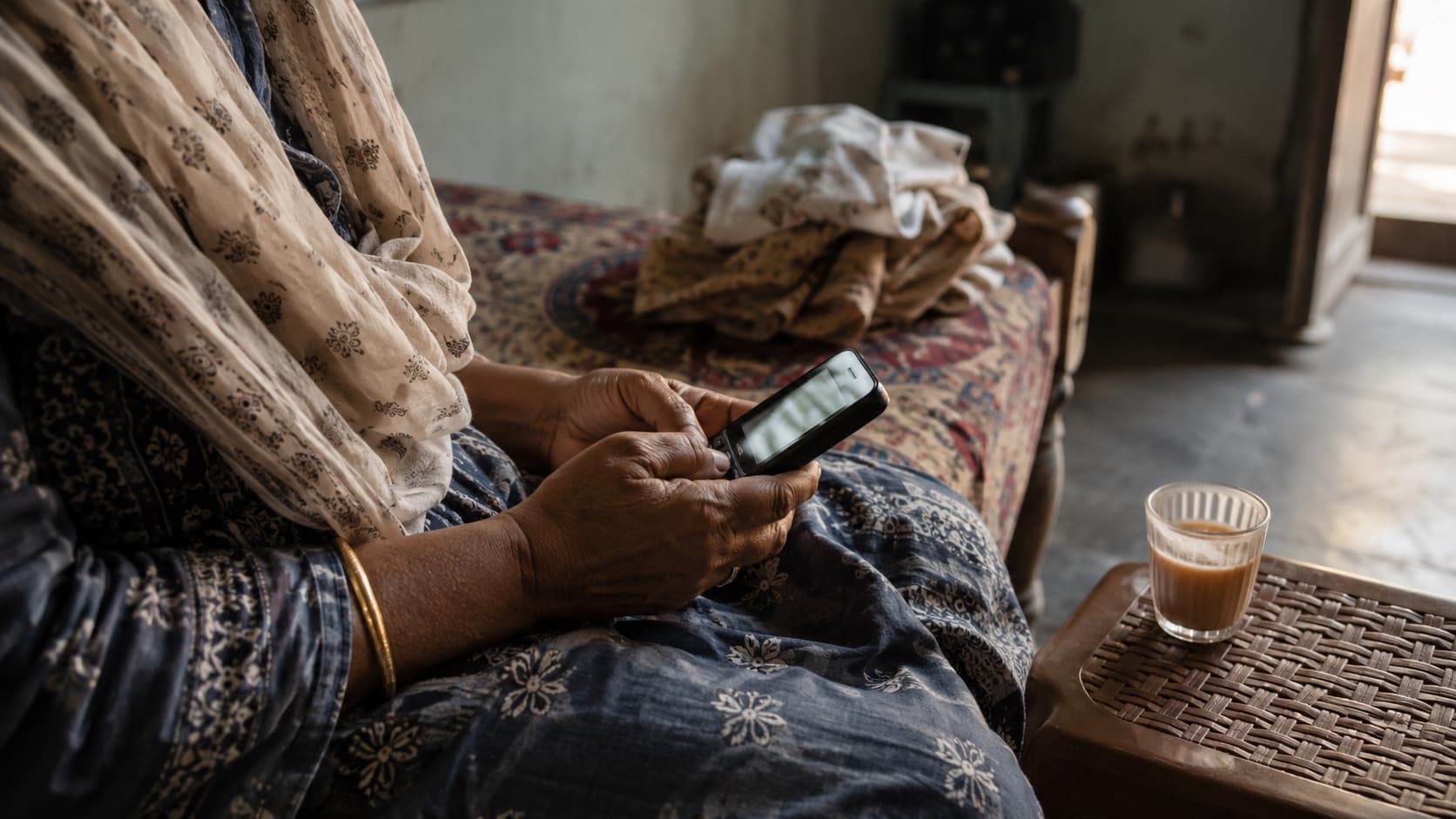
Shazia sells stitched clothes from home. Money is tight, and every rupee is counted twice.
One morning an SMS arrived on her phone:
"مبارک ہو! آپ کا نمبر لکی نکلا ہے۔ آپ نے 25 لاکھ روپے جیت لیے ہیں۔" "Congratulations! Your number has won. You have won 25 lakh rupees."
The message told her to call a number to claim the prize. She called.
The man on the line was warm and confident. He congratulated her by name. He explained that the prize was ready, and only a small "processing fee" of ₨ 2,000 stood in the way.
She sent it.
Then there was a tax. Then a bank clearance charge. Then a courier fee for the cheque.
Over nine days, Shazia sent ₨ 18,000. No prize ever came.
Shazia is not a real person. This story is put together from scam reports that repeat across Pakistan, every single day. The pattern is real.
How does this scam actually work?
You are never paying for a prize. You are paying an advance fee: money handed over for something that does not exist.
The scammer's plan has three steps:
- Send the same message to thousands of numbers. It costs almost nothing. Most people delete it. A few call back. That is enough.
- Ask for a small amount first. ₨ 2,000 to unlock ₨ 25 lakh feels like an easy decision.
- Keep the prize just out of reach. Each new fee is explained as the last one. Because you have already paid, stopping now feels like losing what you spent.
That last step is why sensible people lose so much. Each fee is small. It is the running total that hurts.
Why do they use a government scheme's name?
Because it borrows trust you already have.
Many families genuinely wait on support payments. A message that mentions a real scheme sounds like news you were expecting, not a stranger's trick. Some versions promise a prize. Others say your support payment is "ready for release."
Here is the fact that ends every version of this scam:
BISP (the government's cash support programme for low-income families) does not charge you a fee to give you your own money. Payments go through its registered official channels. If someone asks you to send money first, they are not from BISP, whatever the message says.
What are the words that give it away?
Scam messages change their numbers every week. The words stay the same. Watch for these:
- "لکی نمبر" means "lucky number." You did not enter anything, so you cannot have won anything.
- "پروسیسنگ فیس" means "processing fee." Real prizes are never unlocked by your payment.
- "جلدی کریں" means "hurry up." Urgency is a tool to stop you thinking.
- "کسی کو نہ بتائیں" means "don't tell anyone." Secrecy protects the scammer, never you.
If a message contains any of these, you already have your answer.
What should you do with the message?
Do nothing that talks back to it.
- Do not reply. A reply proves a real person reads that number, and your number gets sold on.
- Do not call the number, even out of curiosity.
- Do not click any link inside the message.
- Block the sender, then report the message to your mobile network and your telecom regulator, which handles spam and fraudulent SMS complaints.
- Delete it.
If you want to check a government payment, go to that programme's own office or official website. Never check through a number that arrived in a message.
If you have already sent money
Stop now. Do not send the "final" fee, however close the prize sounds.
- Save the messages, the phone number, and your payment receipts.
- Report it to your mobile network and your telecom regulator.
- Report it to your country's cybercrime authority.
- Tell everyone in your house. Scammers call back the same number, and the next person who picks up may not know.
Losing money to this scam does not mean you were foolish. It means someone practised this on thousands of people until it worked. Telling your family is how you make it stop working.
Frequently asked questions
Does BISP ever ask for a fee to release my payment?
No. BISP (the government's cash support programme for low-income families) does not charge you to receive your own payment. Payments are made through its registered, official channels. Anyone asking you to send money first, whether as a fee, tax, or processing charge, is not from BISP.
Why do they ask for a small amount, not a big one?
A small fee feels safe. Sending ₨ 2,000 to unlock ₨ 25 lakh sounds like a fair trade. Once you pay, they ask for another fee, then another. Each one is small. The total is not. The first payment is the hook, not the cost.
How did they get my mobile number?
They do not need to know you. Scammers send the same message to thousands of numbers at once, often generated automatically. Receiving it does not mean you were chosen or targeted. You were simply one number in a very long list.
Is it safe to reply just to tell them to stop?
No. Replying tells them a real person reads that number. Your number is then marked as active and sold on to other scammers. Do not reply, do not call back, and do not click any link. Block the number and report the message.
I already paid. What should I do now?
Stop sending money immediately, even if they say the prize is almost released. Save the messages, the number, and your payment receipt. Report it to your mobile network, your telecom regulator, and your country's cybercrime authority. Then tell your family, so nobody in your house pays the next request.
Send this to someone who needs it.
Has this happened to you or someone in your family?
Share your story anonymously. We'll publish only the lesson, never your name. It could save someone else's parents.