AI can clone a voice. Your father doesn't know.
A phone call. The nephew's voice. From a hospital. Money needed immediately. ₨ 2,70,000 gone in three minutes.
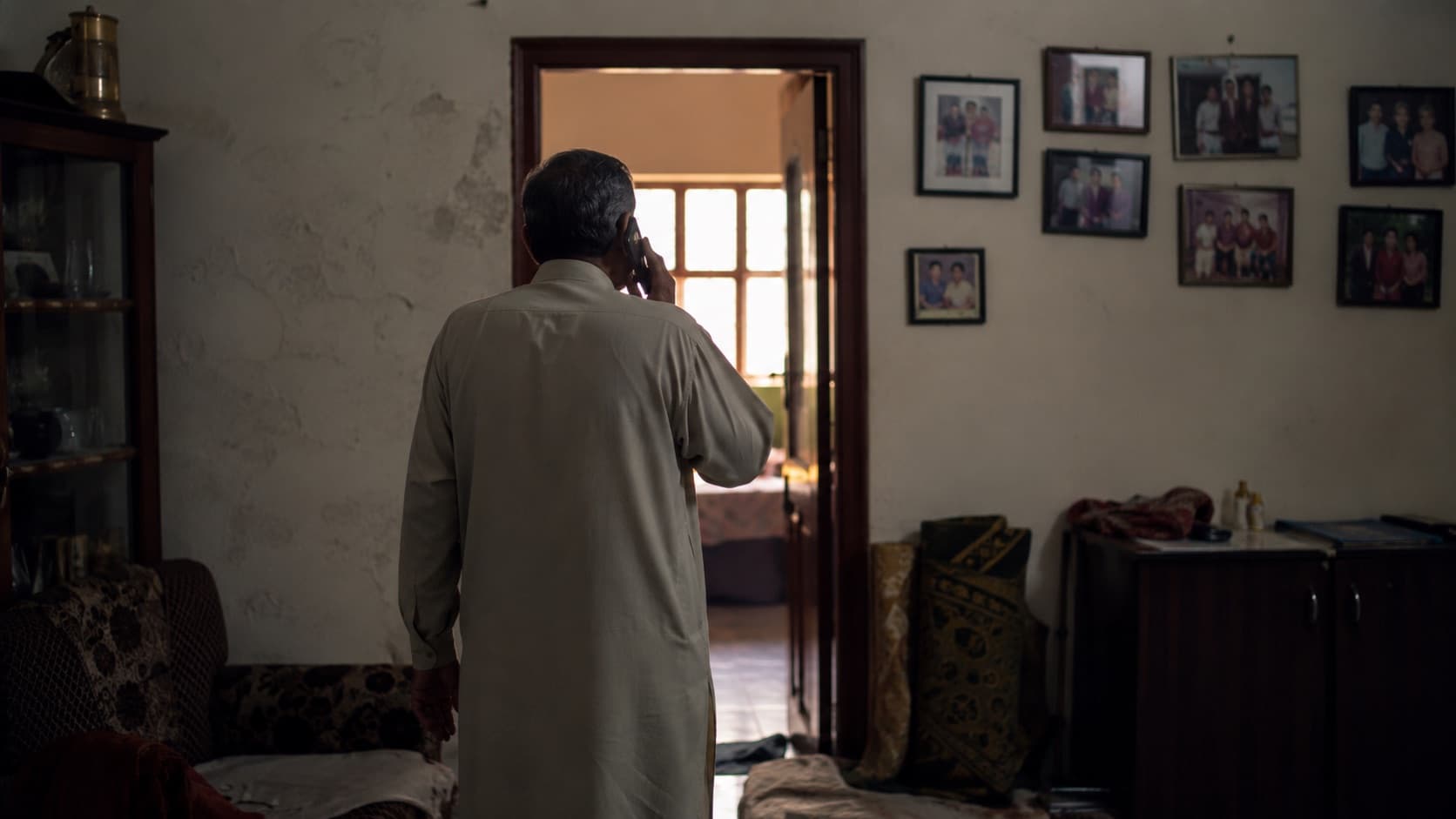
My father is a careful man. Forty-five years in the same office. Never clicked a strange link. Never trusted a stranger with money.
Then, one evening, his phone rang.
"Uncle, I'm at the hospital. There's been an accident. Please send money right now."
The voice was my cousin Hassan's. Exactly his cadence. Exactly his way of speaking. Hospital noise in the background: beeps, an overhead announcement, nurses calling out.
My father sent ₨ 2,70,000 over JazzCash. Three minutes.
Half an hour later, Hassan walked through our front door, healthy, on his way home from work. My father saw him and broke down.
This is AI voice cloning
A few years ago, this scam was not possible. Today it is. A scammer needs thirty seconds of recorded audio, from any video or any WhatsApp voice note. He feeds it into an AI voice-cloning tool: software that copies a voice from a short recording. The tool then generates that same voice, exactly.
Hassan has a public TikTok account. Hundreds of videos. The scammer scraped his audio from there, fed it into a voice-cloning tool, and called my father. That's it. That's the whole technique.
This is not technical wizardry. This is an everyday tool now.
It can happen to anyone
If anyone in your family posts videos online (TikTok, Instagram, YouTube, Facebook reels), their voice is available to anyone who wants it. Your father, your mother, your grandmother. Any one of them could be the next call.
And nobody in our family thought to wonder "could this be AI?", because the voice sounded completely real.
Pick a code word. Today.
After it happened to my father, we agreed on a single word at home. In any emergency, the first thing we ask is that word. Only the six of us know it. It has never been said in any video, any post, any voice note.
A scammer can clone a voice with AI. They cannot clone a word that was never spoken in public.
Sit down with your family today. Pick a word. And insist: no matter what the emergency is, the word comes first.
Frequently asked questions
How much of someone's voice does a scammer need?
About thirty seconds of clear speech is enough. It can come from a TikTok video, an Instagram reel, a YouTube clip, or a forwarded WhatsApp voice note. The tool does the rest. Nothing has to be stolen or hacked. Public audio is enough.
How can I tell a cloned voice from a real one?
Usually you cannot, and you should not try. The voice is the part the scammer has already solved. Instead of listening harder, hang up and call the person back yourself on the number you already have. Verification beats detection every time.
Why does the caller always say it is an emergency?
Panic stops careful thinking. An accident, a hospital, a police station: each one pushes you to act before you check. The urgency is not a detail of the story. It is the method. Any call that demands money immediately deserves to be hung up on.
What is a family code word, and how do we choose one?
It is a single word only your family knows, agreed in person and never said in any video, post, or voice note. In any emergency call, the word must come before anything else. A scammer can copy a voice. They cannot copy a word that has never been spoken in public.
Should my family stop posting videos online?
You do not have to. Most families will keep posting, and that is fine. What matters is that everyone at home knows this scam exists, and that the code word rule applies to every emergency call, no exceptions, however real the voice sounds.
Send this to someone who needs it.
Has this happened to you or someone in your family?
Share your story anonymously. We'll publish only the lesson, never your name. It could save someone else's parents.